Introduction
In modern construction, interior design, and manufacturing, material selection often determines the success or failure of a project. Among the many available materials, PVC sheets have gradually become a popular choice for designers, engineers, and DIY enthusiasts due to their unique properties and cost-effectiveness. But what exactly are PVC sheets, and where are they most suitable? Today, we will delve into the world of applications for this versatile material to help you make an informed choice for your next project.
What Are PVC Sheets?
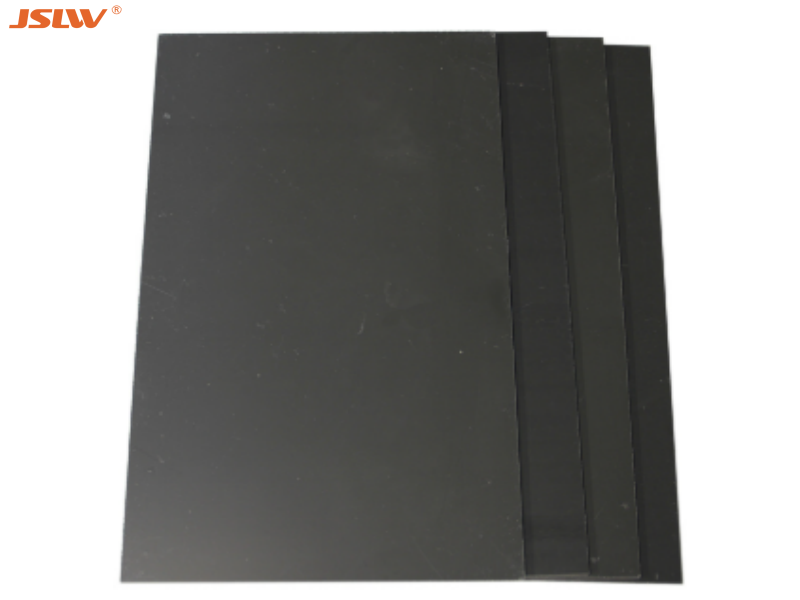
PVC (Polyvinyl Chloride) sheets are synthetic material panels made from PVC resin. They are characterized by being lightweight, waterproof, corrosion-resistant, easy to process, and moderately priced. They typically come in flat panels, available in various thicknesses, colors, and surface textures, ranging from smooth finishes to wood-grain, stone-grain, and many other effects.
Key Application Areas for PVC Sheets
1. Interior Decoration and Renovation
Bathrooms and Kitchens: PVC sheets perform exceptionally well in these humid environments because they are completely waterproof and mold-resistant. Bathroom ceilings, kitchen backsplashes, and even shower partitions often utilize PVC sheets.
Wall Decor: Particularly in rental spaces or temporary display areas that require cost-effective solutions, PVC wall panels offer quick installation and a variety of design options.
Ceilings: Lightweight PVC ceiling panels are easy to install and clean, making them especially suitable for spaces that require moisture resistance.
2. Advertising and Display
Exhibitions and Displays: PVC sheets are ideal for making exhibition booths, product display stands, and display boards. They are lightweight, easy to transport, and can be easily printed on or have graphics applied.
Signage and Identification: Indoor signs, mall directories, and other signage often use PVC sheets as the base material due to their low cost and easy processing.
POP Displays: Promotional display stands in retail stores frequently use PVC sheets because they are easy to shape, lightweight, and cost-effective.
3. Construction and Building
Temporary Partitions: Temporary walls at construction sites or event venues often use PVC sheets because they can be installed and dismantled quickly and are reusable.
Protective Coverings: During renovation, PVC sheets are commonly used as protective layers for floors, stairs, or existing surfaces.
Formwork: In some concrete pouring applications, PVC sheets can serve as lightweight, easy-to-clean formwork material.
4. Industrial and Manufacturing
Machine Guards: Factories often use PVC sheets to create transparent or semi-transparent machine guards, which are both safe and allow for easy observation.
Corrosion-Resistant Linings: Inside containers or equipment in corrosive environments, PVC sheets can serve as corrosion-resistant lining material.
Cleanroom Components: Walls and ceilings in clean environments such as food processing plants and laboratories can use non-porous, easy-to-clean PVC sheets.
5. DIY and Creative Projects
Model Making: PVC sheets are easy to cut, glue, and shape, making them a popular material for architectural models, theater sets, and cosplay props.
Home Improvement: DIY enthusiasts use PVC sheets to make bookshelves, storage boxes, pet houses, and more, as they are low-cost and require simple tools for processing.
Gardening Applications: Gardening supplies such as greenhouse partitions and seedling trays also often use PVC sheets with good weather resistance.
Conclusion
As a versatile and cost-effective material, PVC sheets have permeated every corner of our lives and work. From bathroom renovations to exhibition displays, from industrial protection to creative DIY projects, their wide range of applications is impressive. While they may not be the perfect solution for every situation, in the right contexts, PVC sheets can offer excellent value for money and practicality.