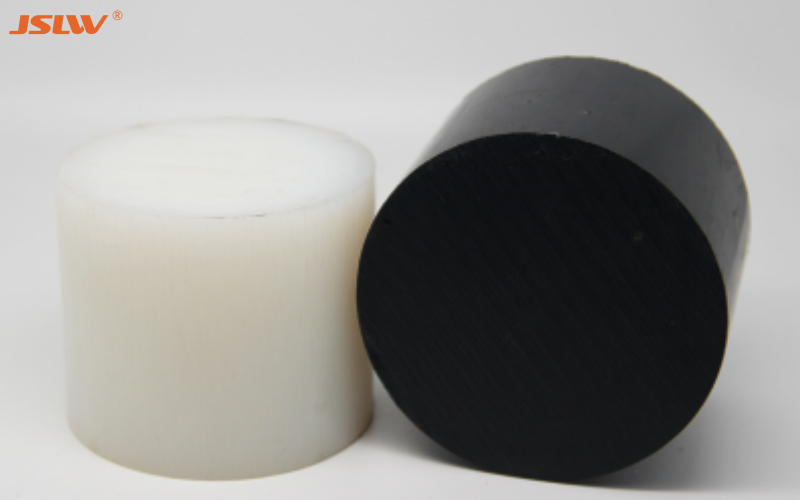
In our daily lives, many seemingly ordinary materials are quietly supporting the functioning of modern society. Nylon rods are one such material—they may not shine like stainless steel or exude a high-tech feel like carbon fiber, but it is precisely this common engineering plastic that plays an indispensable role across various fields. From the household appliances we use daily to high-precision aerospace equipment, nylon rods have become a trusted material choice for engineers and designers due to their unique properties.
The Key Roles of Nylon Rods Across Multiple Fields
1. Industrial Manufacturing and Machinery: The Durable Core of Transmission
In mechanical equipment, nylon rods are commonly used to manufacture critical components such as gears, bearings, guides, and bushings. Compared to metal materials, nylon rods possess self-lubricating properties, eliminating the need for additional lubricants and reducing maintenance costs and pollution risks. In food processing machinery, packaging equipment, and textile machinery, the wear resistance and corrosion resistance of nylon rods make them an ideal choice for components that come into contact with food and chemicals.
2. Automotive Industry: An Enabler of Lightweighting
As the automotive industry pursues lightweighting, the application of nylon rods in automotive components is becoming increasingly widespread. They are used to manufacture door handles, seat adjustment mechanisms, various brackets, and connectors under the engine hood. Nylon rods not only reduce vehicle weight and improve fuel efficiency but also effectively minimize noise and vibration during driving, enhancing driving comfort.
3. Electronics and Electrical Fields: The Safe Insulation Guardian
The excellent electrical insulation properties of nylon rods make them stand out in the electrical industry. From distribution panels and switchgear to cable clips and connectors, nylon rods provide reliable electrical insulation. Even in humid environments, they maintain good insulation performance—an advantage many other materials struggle to match.
4. Medical Devices: Meeting Stringent Hygiene Standards
The medical industry has extremely high requirements for materials in terms of biocompatibility, chemical resistance, and ease of cleaning. Nylon rods excel in these areas and are used to manufacture brackets, housings, and functional components for medical devices. Their smooth surfaces resist bacterial growth, and they can withstand repeated high-temperature sterilization, fully complying with the hygiene standards of medical equipment.
5. Construction and Home Furnishings: The Hidden Supporting Force
In architectural decoration and furniture manufacturing, nylon rods are often used as structural supports and connectors. Their non-corrosive and non-deformable properties make them ideal replacements for metal components. Particularly for outdoor furniture and facilities, nylon rods can resist ultraviolet radiation, rain, and temperature fluctuations, ensuring long-term stability.
6. Aerospace and High-End Equipment: The Master of Balancing Performance and Weight
In the aerospace field, every gram of weight is critical. Nylon rods, with their high strength-to-weight ratio, have become ideal materials for manufacturing aircraft interior components, equipment brackets, and various non-load-bearing structural parts. Additionally, their fatigue resistance and weather resistance ensure reliable performance in extreme environments.
7. Consumer Goods Manufacturing: The Silent Companion in Daily Life
From power tool housings to sports equipment, from musical instrument accessories to office devices, nylon rods have permeated every aspect of our lives due to their ease of processing, color variety, and cost-effectiveness. They can be easily molded through processes like injection molding and extrusion, meeting the creative needs of designers.
Summary
With advancements in materials science, modified and enhanced versions of nylon materials continue to emerge, further expanding their application scope. In the future, against the backdrop of increasing sustainability and environmental requirements, recycling technologies for nylon rods and bio-based alternatives will become new areas of development. Regardless of how technology evolves, nylon rods, with their reliability and adaptability, will continue to play an irreplaceable key role across various fields.